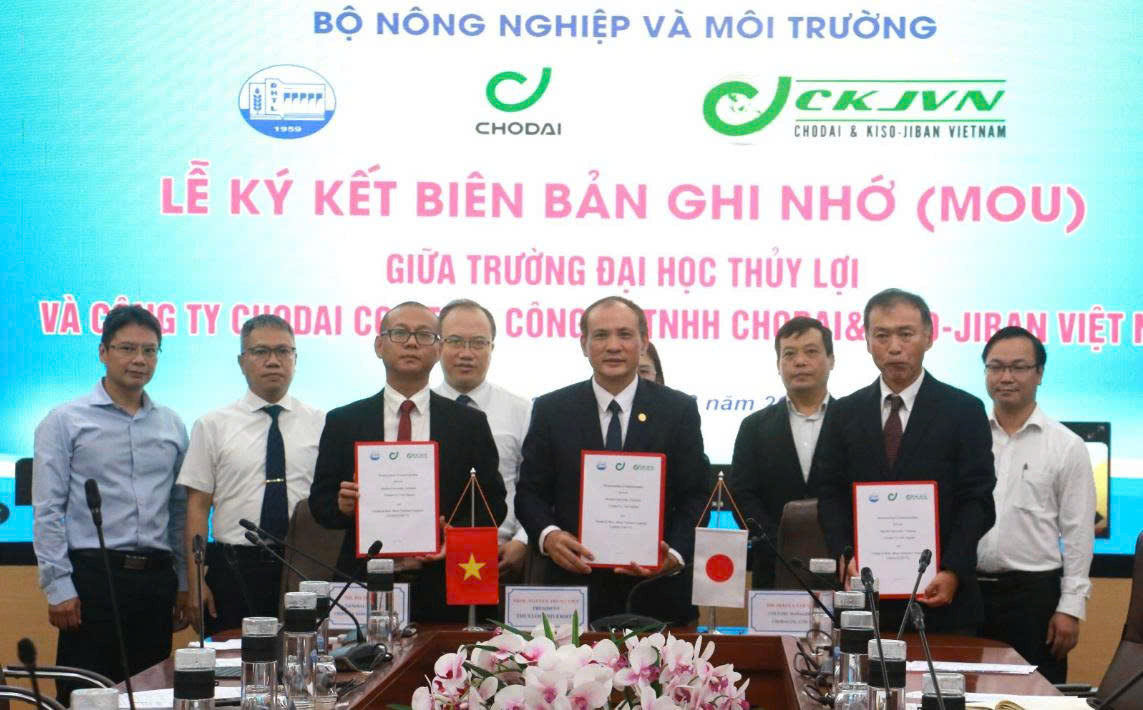





On May 20, 2025, the thematic seminar “High-Speed Rail: Opportunities and Challenges” took place at Hanoi University of Civil Engineering, jointly organized by the Urban and High-Speed Rail Innovation Hub (UHRI Hub) of Chodai & Kiso-Jiban Vietnam Co., Ltd. (CKJVN) and the Faculty of Bridge and Road Engineering, Hanoi University of Civil Engineering. Building on the seminar’s success and within the framework of its ongoing series of activities and publications on “High-Speed Rail: Opportunities and Challenges”, UHRI Hub is pleased to present the article “Prospects and Challenges of High-Speed Rail Megaprojects”.
The North–South High-Speed Rail project has long been one of the most debated topics in Vietnam’s economic and social discourse. With its massive scale and substantial investment, the project extends beyond the scope of a conventional transportation initiative, serving as a symbol of the nation’s development aspirations while presenting a wide range of opportunities and challenges that require careful and strategic management.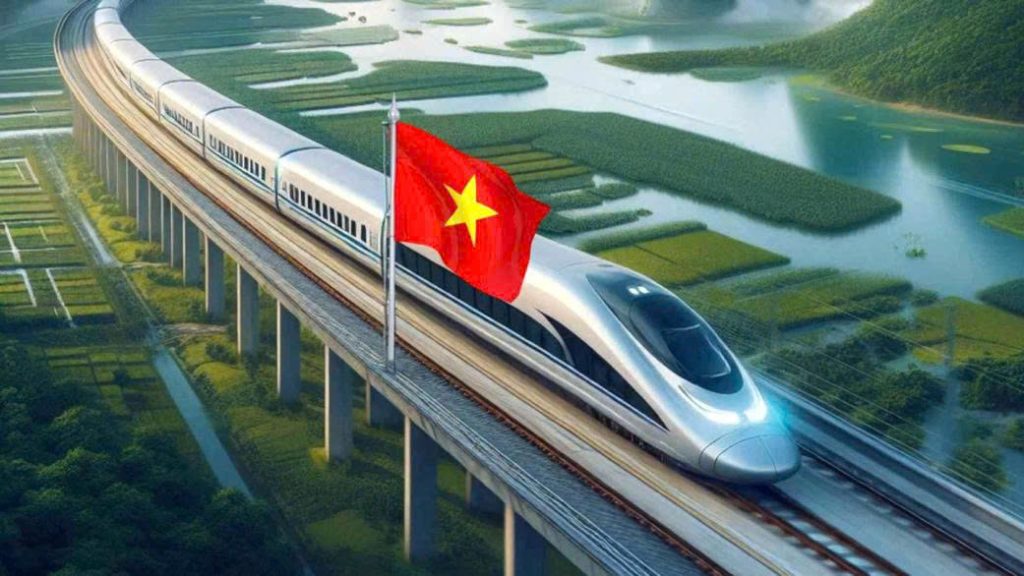
MEGAPROJECT: A DISTINCT CONCEPT
A “megaproject” is not simply a large-scale or high-cost project—it is a massive, complex, and transformative endeavor, typically meeting the following criteria:
- Enormous cost – Typically exceeding USD 1 billion, and in some cases reaching tens or even hundreds of billions.
- Long execution timeline – Often spanning years or decades from planning to completion.
- High complexity – Encompassing advanced technology, engineering, legal frameworks, organizational demands, and diverse stakeholders.
- Extensive impact – Having an impact on millions of individuals, entire regions, or potentially the nation as a whole, spanning economic, social, environmental, and political spheres.
- Transformative potential: The ability to reshape a nation’s social and economic structures, or redefine its urban landscape.
According to the Pre-Feasibility Study Report for the North–South High-Speed Rail Project:
- Total investment: ~USD 67 billion
- Implementation period: 10 years (2025–2035)
- Geographical scope: Passing through 20 provinces and cities
- Land use: ~10,827 hectares
- Resettlement requirement: ~120,836 people
- Capacity: ~240 million passengers/year
- New technologies: Advanced train systems, IT solutions, signaling, and train control systems—many applied for the first time in Vietnam.
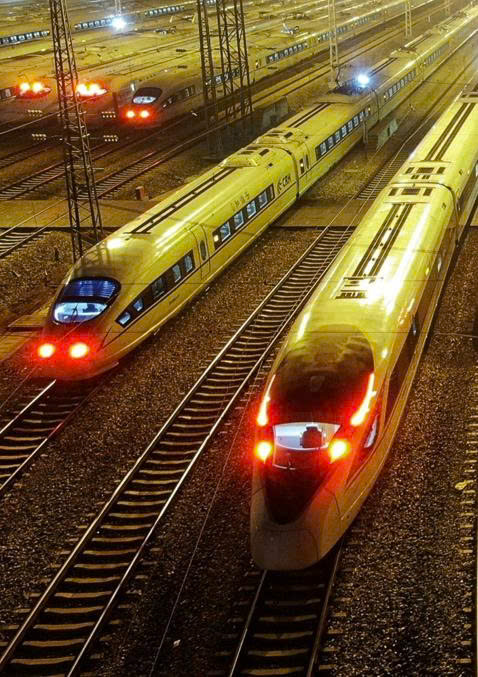
Based on the preliminary figures above, it is evident that high-speed rail projects in general, and the North–South High-Speed Railway project in particular, fully meet the criteria of a “megaproject.”
HOW MEGAPROJECTS DIFFER FROM REGULAR PROJECTS?
While a typical project has clear objectives, a defined budget and timeline, and focuses on delivering a specific product, service, or outcome, a megaproject is an entirely different category:
- Scale & scope: Conventional projects are smaller in scale and more manageable in scope, whereas megaprojects encompass a broad scope that often evolves and expands throughout their lifecycle.
- Complexity: A conventional project carries fewer risks and dependencies, while a megaproject faces much greater complexity due to numerous subsystems, advanced technologies, and the interactions among hundreds of stakeholders.
- Financing: a megaproject involves enormous costs and often faces budget overruns due to unforeseen issues, design changes, or long-term inflation. Nine out of ten megaprojects worldwide experience cost overruns.
- Risk management: In a megaproject, risks are diverse, complex, and potentially far more damaging, requiring a sophisticated risk management strategy that is continuously monitored and adjusted.
- Stakeholders: Megaproject engages a vast range of stakeholders, including government bodies, ministries, local authorities, communities, investors, technology companies, international contractors, and financial institutions. Managing the expectations and interests of such a diverse group presents a significant challenge.
- Impact: Can transform an entire nation’s economy, but also pose significant social and environmental risks if poorly managed.
Due to these distinctive characteristics, managing megaprojects requires a mindset and approach entirely different from those applied to conventional projects.
CHALLENGES & RISKS: A “JOURNEY” DEMANDING THOROUGH PREPARATION
Given its substantial differences from conventional projects, implementing a megaproject such as high-speed rail also entails enormous challenges and risks—particularly in the context of Vietnam.
1. Financial Risks and Public Debt Burden: Lessons from HS2:
This is arguably the most significant risk. With an estimated total investment of tens of billions of USD, mobilizing sufficient capital poses a formidable challenge. Vietnam must carefully evaluate financing options, ranging from state budget allocations and Official Development Assistance (ODA) loans to public–private partnerships (PPP).
A clear example of financial risk can be seen in the United Kingdom’s High Speed 2 (HS2) project. Initially estimated at £32.7 billion in 2012, the total cost is now projected to exceed £100 billion, with several segments either scaled back or indefinitely postponed due to financial pressures and public opposition. Cost overruns, delays, and debates over economic viability serve as cautionary lessons that Vietnam must heed. Cost escalation—often arising from inaccurate forecasting, design changes, or prolonged inflation—is a major concern in megaproject management.
2. Project Management Challenges and Execution Capacity:
A project of this scale requires exceptional project management capabilities across its entire lifecycle—from surveying, design, and procurement to construction and operations. Vietnam must secure a workforce of highly skilled and experienced professionals, while rigorously applying international standards for quality management and transparency. Without robust oversight, megaprojects often face risks of delays, cost overruns, and substandard outcomes, especially in regulatory and governance contexts that continue to encounter capacity limitations.
3. Land Acquisition and Social Impacts:
Building a railway that runs for thousands of kilometers will inevitably affect many households and large areas of land. Land clearance is a major challenge that needs to be handled fairly and transparently, ensuring that affected communities receive proper resettlement and support to restore their livelihoods. If not managed well, it can lead to social tensions, long-lasting disputes, and project delays.
4. Technological Risks and Knowledge Transfer:
While Vietnam can benefit from the experience of advanced countries, it must still develop the capability to operate, maintain, and sustainably advance its high-speed rail system. Excessive dependence on foreign technology could lead to vulnerabilities in security, costs, and long-term autonomy. To prevent the “buy-and-forget” trap—where technology is acquired but not truly mastered—the government should pursue a well-defined strategy for technology transfer and the cultivation of a highly skilled workforce.
SOCIO-ECONOMIC PROSPECTS
1. Transforming the Economy and Creating Jobs:
The high-speed railway promises to bring about a revolution in trade and regional connectivity. Rapid travel between major economic hubs such as Hanoi, Da Nang, and Ho Chi Minh City will significantly reduce transportation time and costs, boosting commerce, tourism, and investment. Areas along the railway corridor will gain strong opportunities to develop services, logistics, and supporting industries.
In particular, the construction and operation of the project will generate hundreds of thousands of direct and indirect jobs across diverse sectors—including engineering, construction, management, operations, maintenance, tourism services, hospitality, and retail. This will not only help address employment challenges but also increase incomes and improve the quality of life for a large segment of the population.
2. Strengthening National Capacity and Facilitating Technology Transfer:
The high-speed rail project represents a golden opportunity to enhance the technical and professional capabilities of Vietnamese institutions and organizations.
- Participating Enterprises: From consulting, surveying, and design to construction, Vietnamese engineering and construction firms will have the opportunity to collaborate with international partners, gaining exposure to the latest processes, standards, and technologies in high-speed rail development.
- Research and Training Institutions: Universities and research institutes can leverage the project to expand training programs for high-quality human resources—engineers, operations specialists, and maintenance experts—while advancing scientific research initiatives to support the project.
- Management, Operations, and Maintenance Units: Once the system is operational, Vietnamese managers, engineers, and technicians will directly engage with advanced train control technologies, efficient operational procedures, and modern maintenance methods. This hands-on experience represents one of the most effective and comprehensive forms of technology and knowledge transfer.
3. Promoting Social Development and Sustainable Urbanization:
By narrowing geographical distances, high-speed rail will improve quality of life, enhance cultural and social exchange between regions, and make high-quality healthcare and education in major cities more accessible. Furthermore, it can help ease the burden on road and air transport networks, reduce environmental pollution, and encourage the development of multi-polar urban models—promoting more balanced population distribution and sustainable urban growth.
CONCLUSION
The North–South High-Speed Railway is a once-in-a-generation opportunity for Vietnam to accelerate its development and enhance its position in the region. Unlocking its full potential will require a comprehensive strategy, a long-term vision, and meticulous preparation to address financial, managerial, social, and technological challenges. By drawing lessons from global experiences—both successes and setbacks, including projects such as HS2—Vietnam can chart a course toward a high-speed rail system that delivers lasting and sustainable prosperity for the nation.
Contact:
Urban and High-Speed Rail Innovation Hub (UHRI Hub)
Chodai & Kiso-Jiban Vietnam Co., Ltd. (CKJVN)
29th Floor, East Tower, Lotte Center Hanoi, 54 Lieu Giai, Ba Dinh Dist, Hanoi City.
Tel: (+84) 24 3762 4555
Email: info@ckjvn.vn
Website: www.ckjvn.vn